How to Plan a Fundraising Event: The Complete Step-by-Step Timeline
Whether you're organising a charity gala or school fundraiser, one thing is almost always true: successful fundraising events don't happen by chance.
Behind every sold-out event, record-breaking silent auction or unforgettable evening is months of thoughtful planning. The organisations that consistently exceed their fundraising goals rarely leave important decisions until the final few weeks. Instead, they follow a clear timeline that builds momentum, secures support early and creates an experience that supporters genuinely enjoy.
After supporting thousands of fundraising campaigns, we've seen the same pattern time and time again. The most successful events aren't necessarily the biggest or the most expensive - they're the best prepared. They start early, keep supporters engaged throughout the journey and make it as easy as possible for people to participate.
This guide walks you through every stage of planning a successful fundraising event, from your first planning meeting through to post-event follow-up. Along the way, you'll find practical advice, common mistakes to avoid and proven strategies that can help maximise attendance, donations and auction revenue.
Whether this is your first fundraising event or your fiftieth, following a structured plan will save time, reduce stress and give your supporters the best possible experience.
Fundraising Event Planning Checklist
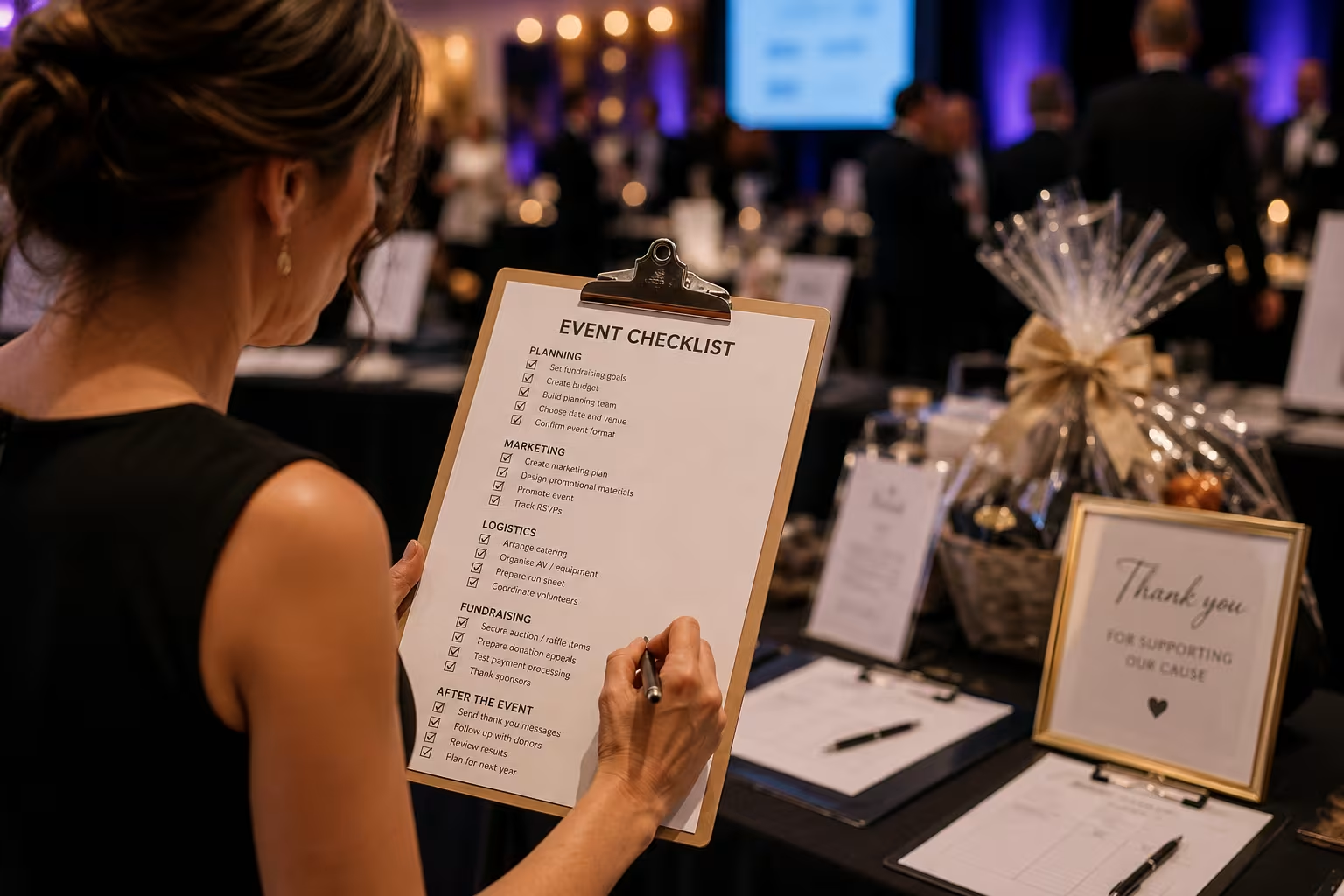
Before diving into the detailed timeline, here's a quick overview of the key stages involved in planning a successful fundraising event.
- Define your fundraising goals and budget.
- Choose your event format, date and venue.
- Build your organising committee and assign responsibilities.
- Secure sponsors and auction prizes.
- Launch ticket sales and fundraising pages.
- Promote your event consistently across email and social media.
- Confirm suppliers, volunteers and event logistics.
- Test your fundraising technology before the event.
- Deliver an engaging guest experience on event day.
- Thank supporters promptly and review your results.
Each of these steps plays an important role in the success of your event. The timeline below explains when to complete each task, and why timing matters.
Why Successful Fundraising Events Start Earlier Than You Think
One of the biggest misconceptions about event fundraising is that most of the work happens in the final month. In reality, the opposite is true.
Sponsors often commit their community budgets months in advance. Popular venues can book out a year ahead. Supporters need time to organise their calendars, purchase tickets and invite friends. Auction catalogues take weeks, or even months, to build, particularly if you're sourcing donated items from local businesses.
Leaving these tasks until the last minute doesn't just create unnecessary stress, it can significantly reduce your fundraising potential.
Starting early also gives you something that's difficult to create later: momentum.
Instead of asking supporters to buy tickets one week and bid in your auction the next, you can gradually build excitement through sponsor announcements, prize reveals, fundraising milestones and behind-the-scenes updates. By the time guests arrive, they've already invested emotionally in the success of your event.
Six Months Before Your Event: Build Strong Foundations
The first few months of planning will influence almost everything that follows, so this is the time to focus on strategy rather than logistics.
Start by asking one simple question:
What does success look like?
While fundraising is usually the primary objective, many organisations also want to attract new supporters, strengthen relationships with existing donors, celebrate volunteers or increase awareness of their cause. Defining these goals early makes it much easier to prioritise your time and budget.
Once your objectives are clear, establish a realistic fundraising target. Rather than selecting an arbitrary figure, think about how you'll achieve it. Will your revenue come primarily from ticket sales, sponsorship, silent auctions, raffles, donations or a combination of activities? Understanding where your income is likely to come from helps shape every decision that follows.
This is also the ideal time to:
- Confirm your organising committee and allocate responsibilities.
- Choose an event date that avoids competing community events and school holidays where possible.
- Research and book your venue.
- Prepare an initial budget that includes both income and expenditure.
- Shortlist potential sponsors, major donors and community partners.
- Decide which fundraising activities you'll include, such as silent auctions, live auctions, raffles, games or donation appeals.
If you're planning to use digital fundraising tools, it's also worth deciding on your fundraising platform early. Managing ticket sales, donations, auctions and guest communications through one integrated system can significantly reduce administration as your event grows.
What Experienced Fundraising Teams Do Differently
One of the biggest differences between experienced event organisers and first-time fundraisers isn't creativity - it's preparation.
Rather than trying to solve every problem as it arises, experienced teams make their biggest decisions early. Once the foundations are in place, the following months become far less stressful because the focus shifts from planning to building excitement and engaging supporters.
The strongest fundraising events aren't built in the final few weeks, they're built one well-planned decision at a time.
Four to Five Months Before: Secure Sponsors and Auction Items
With your event framework established, it's time to focus on the people and organisations who will help make it a success.
Many businesses receive dozens of sponsorship requests every year. Approaching potential sponsors four to five months before your event gives them far more opportunity to consider your proposal, involve key decision-makers and allocate funds before community investment budgets are exhausted.
Instead of sending a generic sponsorship letter, tailor your approach. Explain who your organisation supports, how funds raised will be used and what value sponsors will receive before, during and after the event. The most successful partnerships are built on shared purpose, not simply logo placement.
This is also the perfect time to begin sourcing auction items.
A common mistake is assuming every item needs to be high value. In reality, a well-balanced catalogue often generates more bidding than one filled exclusively with premium experiences. Restaurant vouchers, local experiences, sporting memorabilia, family activities, travel packages and exclusive money-can't-buy opportunities all appeal to different audiences and encourage broader participation.
If you're planning to supplement donated prizes with Items on Consignment, begin those conversations early so you have plenty of time to build a catalogue that reflects your audience and fundraising goals.
By the end of this stage, you should have your sponsorship strategy underway, your first auction items confirmed and the confidence that your event is beginning to take shape.
Three Months Before: Launch Ticket Sales and Build Momentum
With your venue confirmed, sponsors taking shape and auction catalogue beginning to grow, it's time to invite your supporters.
Launching ticket sales around three months before your event gives people enough time to organise their calendars while creating opportunities to build excitement through regular marketing.
Many fundraising teams make the mistake of announcing their event once, then expecting ticket sales to happen naturally. Instead, think of your marketing as a campaign rather than a single announcement.
Mix your communications by:
- Announcing ticket sales through email and social media.
- Sharing your fundraising goal and why it matters.
- Introducing sponsors and major supporters.
- Revealing selected auction prizes to generate excitement.
- Sharing stories about the people or cause your fundraising will support.
- Encouraging committee members, volunteers and sponsors to promote the event through their own networks.
Every communication should give supporters another reason to engage.
If you're offering table packages, early bird pricing or sponsorship opportunities, now is also the ideal time to promote them. Creating genuine reasons to book early helps build attendance well before the final weeks.
If your event includes allocated seating, begin thinking about your seating plan early. Leaving table planning until the week of the event often creates unnecessary administration and avoidable stress.
Expert Tip: Make Buying Tickets Effortless
Every extra step between someone deciding to attend and completing their booking creates an opportunity for them to abandon the process.
Using a platform that combines ticketing, table management, fundraising and guest communications in one place simplifies administration for organisers while creating a smoother booking experience for supporters.
The easier it is to register, the more likely people are to complete their purchase immediately.
Two Months Before: Turn Interest into Excitement
By this stage, people should know your event is happening. Now your job is to give them reasons to keep talking about it.
Rather than releasing every announcement at once, gradually reveal highlights over several weeks. This approach keeps your event visible without overwhelming supporters with information.
This is an ideal time to:
- Showcase your most exciting auction items.
- Welcome new sponsors publicly.
- Introduce guest speakers or entertainment.
- Share behind-the-scenes planning updates.
- Celebrate fundraising milestones.
- Highlight volunteer stories.
- Encourage supporters to invite friends or purchase the remaining tables.
Creating anticipation is one of the most overlooked aspects of successful fundraising events.
When guests arrive already excited about particular auction items or experiences they've seen online, they're more likely to participate once bidding opens.
If your fundraising platform allows silent auction bidding before the event, consider publishing your catalogue early.
Early bidding provides several advantages. Guests have time to browse every item, supporters who can't attend may still participate, and popular items begin generating competitive bidding before event night even starts.
It's also an excellent opportunity to identify items receiving little interest while there's still time to improve descriptions, photographs or promotion.
What Experienced Fundraisers Know
The highest-performing auction catalogues rarely rely on one spectacular prize.
Instead, they include experiences and price points that appeal to different audiences.
A collection of desirable, attainable items often generates more total bidding activity than a catalogue filled exclusively with premium experiences beyond most guests' budgets.
One Month Before: Focus on the Guest Experience
As your event approaches, planning naturally shifts from strategy to execution.
Now is the time to experience your event from your guests' perspective.
Ask yourself:
- How easy will check-in be?
- Can guests immediately understand how to participate?
- Will signage clearly explain bidding, donations and fundraising activities?
- Is the venue easy to navigate?
- Have volunteers been positioned where guests are most likely to need assistance?
The most memorable fundraising events don't necessarily have the biggest budgets.
They simply feel effortless.
Review every touchpoint from arrival through to payment. Small improvements—such as clearly displayed QR codes, knowledgeable volunteers or faster check-in—can significantly improve participation throughout the evening.
This is also the ideal time to confirm:
- Catering numbers.
- AV requirements.
- Entertainment and speakers.
- Volunteer rosters.
- Seating plans.
- Auction displays.
- Printed materials and signage.
- Prize collection procedures.
Every detail completed now is one less decision you'll need to make during the final week.
One Week Before: Test Everything Before Your Guests Do
The final week before your fundraising event should feel calm and organised—not like a race to the finish line.
By now, your venue, suppliers and fundraising activities should all be confirmed, allowing your team to focus on making sure every element of the guest experience works exactly as planned.
Rather than simply checking items off a list, walk through your event from beginning to end as though you're attending for the first time. How easy is it to find the venue? Is the check-in process intuitive? Can guests quickly access the auction catalogue, make a donation or purchase raffle tickets without needing assistance?
If you're using digital fundraising technology, test every interaction before the big day. Send yourself a ticket confirmation, scan the QR codes around the venue, place a practice bid and complete a payment. Better still, ask someone who hasn't been involved in the planning to do the same. Fresh eyes often identify small issues that organisers overlook simply because they're so familiar with the setup.
This is also the perfect time to bring your volunteers together for a final briefing. Make sure everyone understands the running order, knows where they'll be positioned and feels confident answering common guest questions. Friendly, informed volunteers can have a surprisingly big impact on the overall guest experience, particularly for first-time attendees.
What Experienced Fundraising Teams Do Differently
Experienced organisers know that unexpected situations are part of almost every event. A supplier may arrive late, a guest may need help registering or an auction item might require a last-minute update. Rather than trying to predict every possible scenario, successful teams prepare clear processes, communicate well and build a little flexibility into the schedule.
When the planning has been done properly, your team can spend event day engaging with supporters instead of solving preventable problems.
Event Day: Focus on the Experience, Not the Logistics
After months of planning, event day is your opportunity to step back from the spreadsheets and become the host.
Your guests won't remember every logistical detail, but they will remember how the event made them feel. A warm welcome, enthusiastic volunteers, engaging fundraising activities and a seamless experience from arrival to departure all contribute to a successful event.
Encourage guests to explore the silent auction soon after they arrive rather than waiting until bidding is about to close. Throughout the event, share updates on fundraising progress, highlight popular auction items and celebrate milestones to maintain excitement. Small reminders delivered at the right time are far more effective than repeated requests for donations.
If your event includes several fundraising activities, such as raffles, games, donation appeals and a live auction, consider the timing carefully. Spacing them throughout the evening helps maintain energy and gives guests time to participate without feeling overwhelmed.
An integrated fundraising platform can make a significant difference behind the scenes. When ticketing, auctions, donations and payments all work together, organisers spend less time troubleshooting and more time engaging with supporters. Guests also benefit from a simpler experience, whether they're bidding from their phone, making a donation or paying for winning auction items.
Above all, remember why everyone has gathered. Every ticket purchased, every bid placed and every donation made contributes to your cause. Creating an enjoyable, well-run event encourages supporters to return year after year and become long-term advocates for your organisation.
Within 48 Hours: Keep the Momentum Going
The event may be over, but your fundraising campaign isn't.
In fact, the first 48 hours after your event are some of the most important. It's during this window that supporters are still talking about the evening, sharing photos and reflecting on the difference they've helped make.
Start by thanking everyone who contributed to the event. That includes attendees, volunteers, sponsors, auction prize donors, committee members and suppliers. A prompt, personalised thank-you helps supporters feel genuinely valued and lays the groundwork for future engagement.
If you've held an auction, communicate with winning bidders as soon as possible. Let them know how and when they'll receive their items, and ensure payments are processed quickly while enthusiasm remains high.
This is also an excellent time to share your success publicly. Celebrate the amount raised, post photos from the event and acknowledge the people who helped make it possible. Not only does this recognise your supporters, but it also demonstrates transparency and encourages others to become involved in future events.
Many organisations also overlook one simple opportunity, keeping donations open for a short period after the event.
Sharing your fundraising total alongside a final donation appeal can encourage supporters who couldn't attend to still contribute while the event is fresh in everyone's minds.
What Experienced Fundraisers Do Differently
The best fundraising teams don't view the end of an event as the finish line. They see it as the beginning of the relationship they'll build with supporters over the next twelve months.
A thoughtful follow-up is often what turns a first-time attendee into a long-term donor, volunteer or sponsor.
One Week Later: Review While Everything Is Still Fresh
Once the excitement has settled, take the time to evaluate your event while the details are still clear in everyone's minds.
It's tempting to judge success solely by the fundraising total, but the most valuable lessons often come from looking beyond the numbers.
Meet with your organising committee and discuss questions such as:
- Which marketing activities generated the most ticket sales?
- Which auction items attracted the strongest bidding?
- Were there any common questions from guests?
- Did the event schedule flow smoothly?
- Were there any bottlenecks during check-in, bidding or payment?
- What feedback did volunteers receive from attendees?
- Which sponsors have already expressed interest in returning next year?
If your fundraising platform provides reporting and campaign analytics, review the data carefully. Understanding when tickets were purchased, which auction items generated the most competition and when donations were made can provide valuable insights for future events.
Document these learnings while they're still fresh. Your future organising committee will thank you.
Seven Common Fundraising Event Planning Mistakes (And How to Avoid Them)
Even experienced organisers encounter challenges, but many of the most common fundraising mistakes are surprisingly easy to avoid with a little forward planning. Here's a recap on key elements to avoid:
1. Starting Too Late
The earlier you begin planning, the more options you'll have for venues, sponsors, volunteers and suppliers. Starting early also gives you time to build excitement rather than relying on last-minute promotion.
2. Focusing Only on Ticket Sales
Ticket sales are important, but they're rarely the biggest source of fundraising revenue. Sponsorships, silent auctions, donations, raffles and games often contribute just as much—if not more.
3. Asking Sponsors at the Last Minute
Businesses often plan their community partnerships months in advance. Approaching them early gives you a far greater chance of securing meaningful support.
4. Making Participation Complicated
If guests need multiple websites, paper forms or lengthy registration processes, participation inevitably drops. The simpler you make bidding, donating and paying, the more people will get involved.
5. Waiting Until Event Night to Promote the Auction
Your auction is one of your biggest fundraising assets. Build anticipation by showcasing selected items before the event and, where possible, allow bidding to begin early.
6. Forgetting the Guest Experience
People remember how an event felt long after they've forgotten the menu or decorations. Friendly volunteers, clear communication and a smooth experience encourage guests to return year after year.
7. Not Following Up Afterwards
One thank-you email can be the difference between a one-off attendee and a lifelong supporter. Every event should end with meaningful follow-up and a plan for ongoing engagement.
Frequently Asked Questions
How long does it take to plan a fundraising event?
Most successful fundraising events are planned over three to six months. Larger gala dinners or events requiring sponsorship, auctions and extensive logistics may benefit from six months or more of preparation.
What is the best fundraising event for a small charity?
The best event is one that matches your supporters, volunteer capacity and budget. Community events, charity dinners, golf days, fun runs, school fundraisers and silent auctions can all be highly successful when planned well.
When should you start selling tickets?
For most events, around three months before the event provides enough time to build awareness, encourage early bookings and maintain momentum through ongoing promotion.
How many silent auction items should you have?
Quality is more important than quantity. A carefully curated catalogue that appeals to different budgets and interests generally performs better than a very large catalogue filled with similar items.
Should silent auction bidding open before the event?
Where possible, yes. Allowing supporters to browse and bid before the event often increases participation, builds excitement and creates competitive bidding before guests even arrive.
What's the easiest way to manage a fundraising event?
Using a single fundraising platform that combines ticketing, donations, auctions, guest management and payments can significantly reduce administration and provide a better experience for both organisers and supporters.
Bringing Everything Together
The most successful fundraising events aren't defined by lavish venues or enormous budgets. They're built through thoughtful planning, clear communication and hundreds of small decisions that make it easy for supporters to participate.
Starting early allows you to secure sponsors, build an engaging auction catalogue, promote your event effectively and create genuine excitement long before guests arrive. Just as importantly, following up after the event helps strengthen relationships and lays the foundation for even greater success next time.
Whether you're organising a charity gala, school fundraiser, sporting event or community fundraiser, a structured timeline keeps your team focused, reduces last-minute pressure and creates a better experience for everyone involved.
At GalaBid, we've seen first-hand how integrated fundraising tools can simplify event management by bringing together ticketing, donations, silent auctions, raffles and payments in one place. More importantly, they give organisers more time to focus on what matters most -engaging supporters and raising more for their cause.
Every successful fundraising event begins with a plan.
Start early, stay organised and remember that every conversation, every sponsor, every volunteer and every donation brings you one step closer to making a bigger impact.
More about
Silent Auction
About GalaBid
Ideal for donations. Perfect for Raffles. Awesome for Live and Silent Auctions! GalaBid’s online fundraising platform is designed for fundraisers of all types and sizes. For over 10 years we’ve been helping non-profits, charities, community clubs, churches, schools, and individuals to raise more and make a difference.