The best charity auctions don't necessarily feature luxury holidays, signed celebrity memorabilia or once-in-a-lifetime experiences.
They feature auction items that excite your supporters.
A weekend away may generate strong bidding at a corporate gala, while a "Teacher for the Day" experience could become the most sought-after item at a school fundraiser. Likewise, a hamper filled with products from local businesses might outperform an expensive retail item because it resonates with the people in the room.
Successful auction catalogues are built around one simple principle: know your audience.
Whether you're organising a charity gala, school fundraiser, sports club event or community auction, thoughtful item selection can encourage more people to participate, create competitive bidding and significantly increase the amount you raise.
The process of sourcing auction items is about more than asking businesses for donations. It involves building relationships, understanding what motivates supporters to bid and presenting every item in a way that highlights its value.
This guide shares practical strategies used by experienced fundraising teams to source appealing auction prizes, work effectively with donors and create an auction catalogue that helps maximise fundraising results.
Why Auction Items Matter
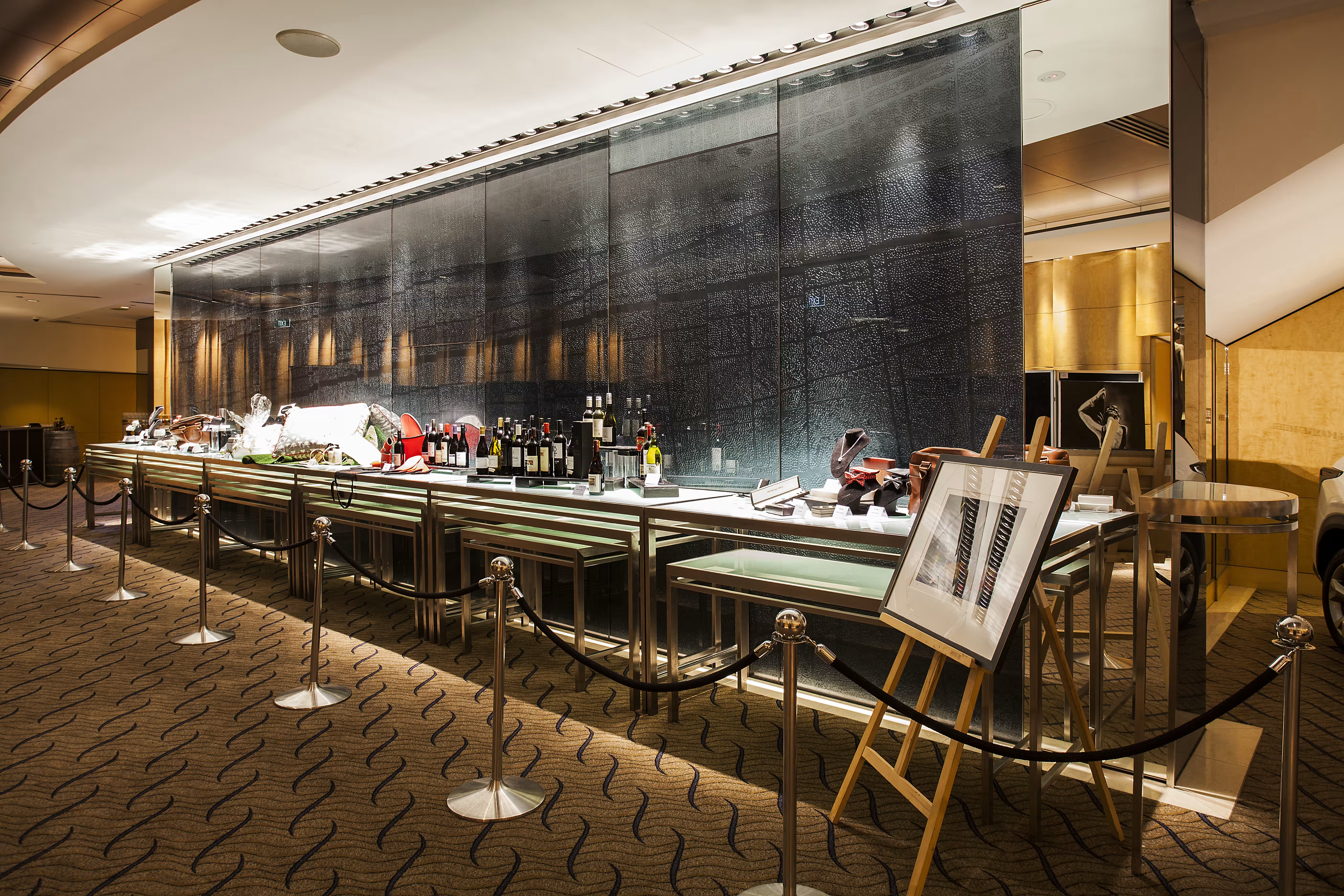
Auction items are often the biggest talking point before a fundraising event. They give supporters something to look forward to, create conversation and provide another reason to attend.
However, their value extends far beyond the auction itself.
Well-chosen items encourage more people to participate, increase competition between bidders and give supporters another way to contribute to your cause. They also create opportunities to strengthen relationships with local businesses, sponsors and community partners who donate goods or experiences.
The most successful auction catalogues achieve a balance between aspiration and accessibility. While a premium experience may attract significant bids, offering a variety of price points allows more supporters to participate and feel part of the event.
Rather than asking, "What's the most expensive prize we can secure?" a better question is: "What would our supporters genuinely be excited to win?"
That simple shift in thinking often leads to better fundraising outcomes.
1. Start With Your Audience, Not Your Wish List
One of the biggest mistakes first-time organisers make is sourcing items they personally like rather than items their supporters will value. Every fundraising audience is different.
Parents attending a school auction may be looking for family experiences, children's activities or practical services that make everyday life easier. Guests at a corporate fundraising dinner may respond more enthusiastically to premium dining experiences, sporting hospitality or luxury travel packages.
A sports club fundraiser might generate stronger bidding on signed memorabilia, golf experiences or coaching sessions, while supporters of an animal rescue charity may be more interested in pet products, local experiences or community-focused prizes.
Understanding who is attending your event should influence every decision you make.
Before approaching businesses, take time to consider questions such as:
- Who is most likely to attend our event?
- What interests do they have?
- What experiences or products would they be excited to bid on?
- What price points are likely to encourage participation?
Once you understand your audience, sourcing items becomes much easier.
Some categories consistently perform well across many fundraising events, including:
- Experiences rather than physical products.
- Restaurant and dining vouchers.
- Local accommodation or weekend escapes.
- Sporting and entertainment tickets.
- Spa and wellness packages.
- Home and garden services.
- Family activities and attractions.
Experiences often generate particularly strong bidding because they create memories rather than adding another physical item to someone's home. Many organisers are surprised to discover that a private cooking class or local winery tour attracts more interest than an expensive retail product.
The key is relevance. When supporters can picture themselves enjoying a prize, they are far more likely to compete for it.
2. Build Relationships Instead of Simply Asking for Donations
Approaching businesses for items donations can feel intimidating, especially if you're organising a fundraiser for the first time. The reality is that many businesses receive donation requests throughout the year. A generic email asking for a prize can easily be overlooked.
Successful fundraising teams take a different approach. Instead of viewing businesses as potential donors, they treat them as long-term community partners. Take time to learn about each business before making contact. Explain why you chose them specifically and how their products or services align with your event and audience.
For example, rather than asking a local restaurant for "a voucher", explain that your fundraising dinner regularly attracts local families or professionals who are likely to become future customers.
Businesses are far more likely to support an event when they understand both the impact of the fundraiser and the value of the exposure they will receive.
Your donation request should clearly explain:
- who you are raising money for
- why the cause matters
- who will attend the event
- how donated items will be recognised
- how supporters can discover the donor's business.
Recognition doesn't always need to be complicated.
Acknowledging donors on your event website, auction catalogue, social media channels or during the event itself demonstrates appreciation while also providing valuable visibility for their business.
This relationship-first approach not only improves your chances of securing donations but also lays the foundation for ongoing partnerships in future years.
Many organisations find that businesses who donate once are happy to support future events when they feel appreciated and can see the difference their contribution has made.
3. Make It Easy for Businesses to Say Yes
Businesses want to support their communities, but they are also busy. The easier you make the donation process, the more likely they are to participate.
Instead of expecting donors to work out the logistics themselves, provide simple options. Some businesses may prefer to donate a physical product, while others find it much easier to provide a digital gift voucher or experience certificate. Offering to collect donated items can also remove a common barrier, particularly for smaller businesses with limited staff.
Being flexible demonstrates that you value their time as much as their generosity. It's also important to remember that not every valuable auction item has to be donated outright.
Many fundraising events successfully include items on consignment, where specialist suppliers provide premium experiences, artwork or travel packages on a sale-or-return basis. If the item sells above an agreed reserve price, your organisation keeps the additional funds raised. If it doesn't sell, the item is simply returned.
When used thoughtfully, consignment items can help broaden your catalogue without requiring significant upfront investment. They are particularly useful for gala events where guests may expect to see a small number of premium auction lots alongside donated auction items. Whatever type of item you receive, maintaining clear records of donor details, item descriptions and any conditions attached to the item will make your auction much easier to manage later.
Many organisers find that using a digital auction platform helps streamline this process. GalaBid allows you to build your auction catalogue as items arrive, upload photographs, categorise items and update descriptions in one central location, reducing the need for spreadsheets or last-minute administration.
4. Don't Underestimate the Value of Local Businesses
When people think about auction items, they often imagine international travel, luxury brands or expensive electronics. In reality, some of the highest-performing auction items come from businesses just around the corner.
Local restaurants, cafés, wineries, florists, salons, photographers, golf clubs, tradespeople and boutique retailers often donate prizes that generate enthusiastic bidding because supporters already know and trust them. There's also an important community benefit.
Winning a voucher for a local business often means supporting another organisation that has already chosen to support your cause. That creates a positive cycle of community engagement that extends well beyond your fundraising event. Local experiences can also feel more accessible than high-end luxury items. A private wine tasting, a family photography session, a chef's tasting menu or a garden makeover consultation may appeal to a much broader range of bidders than an exclusive overseas holiday.
These items often encourage stronger participation because supporters can easily imagine themselves using them.
Don't overlook the value of unique experiences either.
Behind-the-scenes tours, exclusive access, lessons with local experts or "money can't buy" opportunities can become standout auction items because they offer something people simply can't purchase elsewhere.
The most successful auction catalogues rarely rely on one spectacular item. Instead, they combine a thoughtful mix of experiences, services and products that reflect both the interests of their supporters and the generosity of their local community.
5. Present Every Auction Item Like It Matters
Securing great auction item is only half the challenge. The way you present them can have an equally significant impact on bidding activity.
Supporters don't just buy products or experiences- they buy the story behind them. A professionally presented auction catalogue helps bidders understand why an item is special and encourages them to imagine enjoying it themselves.
Start with high-quality photographs wherever possible. Bright, well-composed images immediately attract attention, while poor-quality or generic photos can reduce perceived value, even when the prize itself is excellent.
Titles also deserve careful thought. Rather than listing "Restaurant Voucher – $150", consider something more engaging, such as An Evening of Fine Dining at... Likewise, instead of "Golf Package", explain exactly what the winner will experience.
Descriptions should answer the questions bidders are likely to have before they ask them. Include details such as:
- what is included
- any expiry dates or booking requirements
- restrictions or exclusions
- whether the experience can be transferred or gifted.
Where appropriate, explain why the item is unique. A behind-the-scenes experience, private lesson or limited-access opportunity often has greater fundraising value than its retail price alone suggests.
Another effective strategy is bundling complementary items together. Rather than auctioning several smaller items individually, consider creating themed packages. A local restaurant voucher could be combined with theatre tickets and overnight accommodation to create a complete "date night" experience. Similarly, products donated by several local businesses can become an attractive hamper that tells a story rather than simply displaying individual items.
Digital fundraising platforms also make presenting items significantly easier. GalaBid allows organisers to upload multiple images, write detailed descriptions and categorise items into a professional online catalogue. Supporters can browse the catalogue before the event, giving them more time to discover items that interest them and plan their bidding strategy.
6. Build Excitement Before Bidding Opens
Many organisers wait until guests arrive before revealing their auction catalogue. However, some of the most successful auctions begin generating excitement weeks beforehand.
Previewing selected items through email, social media and your fundraising page helps build anticipation and reminds supporters why they are attending. It also encourages conversations within your community, with supporters often sharing exciting auction items with friends, family or colleagues who may also choose to participate.
Rather than revealing every item at once, consider introducing a small number of featured items over several weeks. This creates momentum and gives you multiple opportunities to promote your event without repeating the same message.
If your auction platform allows bidding to open before the event, supporters can begin exploring the catalogue and placing early bids from wherever they are. Early bidding not only increases participation but can also create healthy competition before guests even walk through the door.
This is particularly valuable for organisations with supporters who cannot attend in person. Parents travelling during school holidays, alumni living interstate or corporate supporters with diary conflicts can still participate and contribute to your fundraising success.
The easier you make it for supporters to discover your auction, the larger your potential bidding audience becomes.
7. Create a Catalogue That Appeals to Every Budget
One of the most common misconceptions about fundraising auctions is that every item needs to be high value.
In reality, a balanced catalogue almost always outperforms one filled exclusively with premium items. Every supporter arrives with a different budget. Some may be prepared to spend several thousand dollars on a unique experience, while others simply want to contribute by bidding on a favourite restaurant voucher or family activity.
Providing opportunities across a range of price points encourages broader participation and creates a more inclusive fundraising experience.
As a guide, a balanced catalogue might include:
- affordable items that encourage first-time bidders
- mid-range experiences suitable for most supporters
- a smaller number of premium prizes that generate excitement and competitive bidding.
This approach also helps maintain momentum throughout the auction. When supporters see opportunities they can realistically win, they are more likely to continue browsing and bidding rather than deciding the auction isn't for them.
Variety matters too.
A catalogue featuring only restaurant vouchers can quickly become repetitive. Mixing travel, experiences, entertainment, sporting opportunities, professional services, home and lifestyle products gives more people a reason to stay engaged.
Remember, the goal isn't simply to create the biggest catalogue. It's to create one that appeals to the widest possible group of supporters.
8. Thank Item Donors and Build Long-Term Partnerships
Your auction may end when bidding closes, but your relationship with item donors shouldn't.
Businesses that support fundraising events are investing in your organisation and your community. Taking time to acknowledge their contribution can make a lasting impression and significantly improve the chances they'll support your next event. A personalised thank-you message is an excellent place to start, but don't stop there.
Share the outcome of your fundraiser. Let donors know how much was raised, how their contribution helped and the impact those funds will have on your cause.
Where appropriate, include photographs from the event showing supporters enjoying the auction or collecting items. Public recognition through social media, newsletters or your website also demonstrates your appreciation while providing additional exposure for the businesses that supported you.
These small gestures help transform one-off prize donors into long-term fundraising partners.
Many of the strongest fundraising events grow their auction catalogue year after year because organisers consistently nurture these relationships rather than starting from scratch every time.
Frequently Asked Questions

What makes a good silent auction Item?
The best silent auction items are those that appeal to your supporters. Experiences, dining vouchers, sporting tickets, travel packages, family activities and exclusive local opportunities often generate strong bidding because they feel personal and memorable.
How far in advance should we start sourcing auction items?
Many experienced fundraising teams begin contacting potential donors three to six months before their event. Starting early gives businesses time to consider your request and provides organisers with more time to build an attractive auction catalogue.
Should we include donated items and consignment items?
Many successful fundraising auctions include a combination of both. Donated items maximise fundraising income, while carefully selected consignment items can add premium experiences or exclusive opportunities without requiring upfront purchases.
Is it better to open bidding before the event?
Often, yes. Allowing supporters to browse the catalogue and place bids before your event can increase participation, build excitement and encourage more competitive bidding. It also enables people who cannot attend in person to support your fundraiser.
Bringing It All Together
Successful fundraising auctions are rarely built around one extraordinary item.
They are built through careful planning, a good understanding of supporters and strong relationships with businesses that believe in your cause.
When every item is selected with your audience in mind, presented professionally and promoted effectively, your auction becomes more than a fundraising activity. It becomes an engaging experience that supporters look forward to and remember long after the event has finished.
Having the right technology can make that process significantly easier.
GalaBid helps organisations create professional online auction catalogues, showcase items with rich images and descriptions, open bidding before an event, manage payments securely and monitor auction activity in real time. By bringing ticketing, auctions, donations and other fundraising activities together in one platform, organisers can spend less time on administration and more time creating an outstanding experience for their supporters.
Whether you're organising your first school fundraiser or a major charity gala, investing time in building the right auction catalogue will help you raise more, strengthen community partnerships and create a fundraising event people will be excited to support again next year.
More about
Silent Auction
About GalaBid
Ideal for donations. Perfect for Raffles. Awesome for Live and Silent Auctions! GalaBid’s online fundraising platform is designed for fundraisers of all types and sizes. For over 10 years we’ve been helping non-profits, charities, community clubs, churches, schools, and individuals to raise more and make a difference.