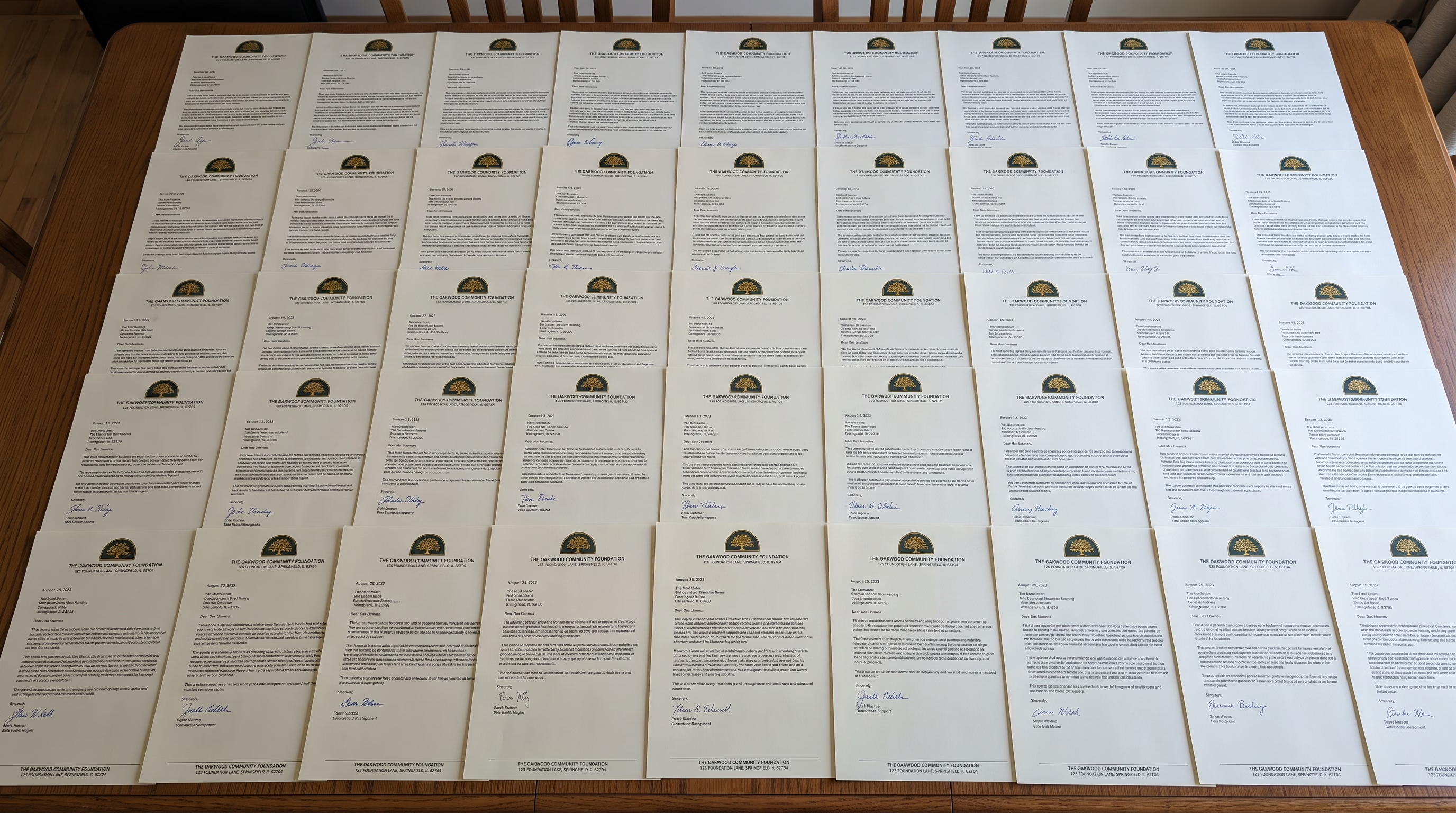
A good donation request letter does more than ask for an item. It tells a business exactly who you are, why the ask matters, and precisely how easy it is to say yes. Get that structure right, and get a solid response rate. Get it wrong, and even a compelling cause may be ignored.
Below are four ready-to-copy templates for the most common situations you'll run into: local businesses, corporate giving programs, email outreach, and a social media message for businesses you already have some connection with. Each one is built around the same core structure, explained first, so you can adapt them confidently rather than just filling in blanks.
What Is a Silent Auction Donation Request Letter?
A donation request letter is a written ask sent to a business, sponsor, or community partner, inviting them to donate an item, service, or experience for your silent auction. It may be the first formal contact a potential donor has with your event, so it needs to make a good first impression and secure the item.
Why Donation Request Letters Matter for Fundraising Success
A generic, mass-produced request gets a generic response, usually silence. A specific, personalized one gives a business a clear reason to say yes and an easy way to do it. Naming exactly what you're hoping for (gift cards, a tasting menu, a weekend stay) consistently outperforms open-ended appeals like "any support is appreciated," simply because it removes the guesswork for the donor.
Letters and emails aren't really competing formats either. A printed letter carries more weight and feels more personal, while email is faster to send and easier to follow up on. Most successful procurement campaigns use both: a letter as the formal ask, followed by a short email for anything time-sensitive or as a nudge if you haven't heard back.
If you haven't yet worked out who to approach or when to reach out, it's worth starting with our guide on silent auction procurement, which covers where to find donors and how much lead time different donor types typically need.
What to Include in a Donation Request Letter
Every well written letter follows roughly the same shape
Personal opening
Address the business by name, and if you've worked with them before, say so. A returning ask to a past donor should read differently to a cold one.
A brief mission story
One or two sentences on your cause and this event. Not your whole history, just enough for the reader to understand who's asking and why.
The specific ask
Name exactly what you're hoping for, whether that's a category ("gift cards or dining vouchers") or something more precise. Vague requests are the single easiest thing to ignore.
Any benefit they'll get in return
Whether that's recognition on your platform and website, a tax-deductible receipt, or CSR alignment for a corporate donor, spelling out what they get back gives them another reason to say yes.
An easy way to say yes
Include a phone number, email address, or a link to a simple online item donation form so the donor doesn't have to figure out the process themselves. If you're sending a printed letter, a QR code linking straight to that form does the job. For local businesses especially, offering to pick the item up yourself removes one more thing from their plate and often makes the difference between a "yes" and a "we'll get to it."
A clear deadline
Give a specific date items are needed by, tied to when you need to finalize your catalog.
Your organization's basics
Have your EIN and 501(c)(3) status ready to reference (many corporate giving portals ask for this outright), and be ready to send it along if requested.
Before you send anything, it's worth having your paperwork and program details in order first. It signals professionalism and speeds up processing on the donor's end, especially for larger businesses.
Top Tip
One more thing before you reach for a template: check how the business actually wants to be asked. Many companies, especially larger chains and corporate giving programs, have their own donation request form or online portal, and expect requests to come through that channel rather than a generic letter. Sending a template when a business has clearly outlined its own process signals that you haven't done your homework, which can hurt your chances more than a slightly imperfect letter ever would. A quick check of their website or a short call to ask "how do you prefer to receive donation requests?" takes a few minutes and avoids that mistake entirely.
If a template is the right fit, here are three to work from, depending on who you're asking.
Silent Auction Donation Request Letter Template for Local Businesses
Corporate Donation Request Letter Template
Email Template for Requesting Auction Item Donations
Social Media Message Template for Businesses You Follow
Social media is another channel worth considering alongside a formal ask, particularly for businesses you already have some organic connection with, ones you follow, tag, or regularly interact with online. It's also useful for two other things: finding businesses worth approaching in the first place (many list their community involvement on their own social accounts), and giving donors visibility after they say yes by tagging them and featuring their item in your posts.
If you know who manages a business's social account, it's worth pitching them directly rather than the general manager. Someone running a business's social channels is usually always looking for content, and framing the ask around what you can offer them (a feature, tagged photos, ready-made posts about their donation) often lands better than a general community-goodwill pitch aimed at an owner.
Tips for Increasing Donation Response Rates
Personalize wherever you can
Even a first-name greeting and a reference to something specific about the business makes a request feel less like a form letter.
Link to a simple online donation form
A short online form for the item description, estimated value, and contact details saves back-and-forth and makes your organization look prepared. For printed letters, a QR code linking to that form does the job.
For guidance on timing your outreach and how to follow up with different types of donors, our procurement guide covers that in more detail.
Common Mistakes to Avoid When Requesting Donations
Sending the same generic letter to everyone
It's tempting to mail merge and move on, but a request with no personalization reads as exactly that, and gets treated accordingly.
Burying the ask
If a reader has to hunt for what you're actually requesting, you've already lost some of them. Lead with it clearly.
Using jargon or overly formal language
Plain, direct language reads as more genuine than "programmatic impact" style phrasing, and it's easier for a business owner to skim and understand quickly.
Making it hard to respond
If there's no clear next step, phone number, or form, you're relying on the donor to do the work of figuring out how to help you.
How to Turn a Great Catalog into a Successful Silent Auction
Once your item requests start turning into "yeses", keeping track of everything coming in becomes its own challenge. GalaBid can help. Your GalaBid dashboard gives you a central place to add, edit and manage your items, so nothing gets lost between a business saying yes and the launch of your auction.
From there, GalaBid enables the rest of the auction experience too, running mobile bidding with outbid notifications, so guests can bid from their phones, along with auction leaderboards, payment processing and item dispatch once the auction closes. Built-in reporting also shows you which items and donors performed best, useful when it's time to plan next year's outreach.
See how GalaBid helps nonprofits manage silent auctions, alongside raffles, donations and event ticketing.