Raffles are regulated as a form of lottery almost everywhere GalaBid operates, and the rules differ meaningfully between countries, and often between states and provinces within them. This guide gives you a compliance checklist for each major market, with the regulator to check and the questions to answer before you sell your first ticket.
Two notes before the checklists. First, this is general information, not legal advice; rules change, and the regulator's own guidance is always the source of truth. Second, if you want the underlying concepts explained, our companion piece answers the most common charity raffle legal questions in plain language.

The universal checklist
Wherever you are, confirm these before launch:
- Your organisation is eligible to run a raffle (usually a registered charity, nonprofit or community society)
- Whether your raffle's size requires a permit, licence or registration, and that it is issued before ticket sales start
- Where tickets may legally be sold, and whether online sales are permitted
- Minimum purchase age, stated in your terms
- Rules on ticket pricing, discounted bundles and maximum tickets per person
- What must appear on the ticket or campaign page (price, draw date, permit number, total tickets)
- How the draw must be conducted and results published
- What records you must keep, and for how long
Australia
Raffles are regulated at state and territory level, so the rules depend on where your organisation is based and where you sell. The regulators include NSW Fair Trading, the Victorian Gambling and Casino Control Commission, Queensland's Office of Liquor and Gaming Regulation, and their counterparts in each other state and territory.
The common pattern: small raffles drawn at a single event are usually permit-free, larger raffles require a permit or authority above prize-value thresholds that differ by state, and online sales are generally permitted but often limited to residents of states where your raffle is authorised. Check:
- Your state regulator's threshold for needing a permit, based on total prize value or gross proceeds
- Whether your permit covers interstate ticket sales before promoting nationally
- Ticket information requirements, which several states specify in detail
- Record-keeping and, for larger raffles, audit or return obligations
New Zealand
Raffles fall under the Gambling Act 2003, administered by the Department of Internal Affairs, with three classes based on size. If the total prize value for a session is $5,000 or less and turnover is $25,000 or less, no licence is required, though raffles above the smallest class must be run by a society and all proceeds must benefit the community. Above $5,000 in prizes, your organisation must be a society and hold a Class 3 licence from the DIA.
Two NZ specifics worth knowing: licensed Class 3 raffles can be run fully online, a rule made permanent from November 2024, and Class 3 licence holders may use a third-party platform to issue tickets and manage payments, provided no commission is paid on those services. Check:
- Which class your raffle falls into based on prize value and turnover
- Class 3 licence obtained from the DIA before tickets are printed or sold
- Ticket numbering and information requirements
- Authorised purposes rules for how proceeds are applied
United Kingdom
Fundraising raffles are regulated under the Gambling Act 2005 as society lotteries. A small society lottery, where tickets for a single draw total £20,000 or less and the society's annual aggregate is £250,000 or less, does not need a Gambling Commission licence but must be registered with the local licensing authority where the society's principal office is located. Registration is a modest annual fee, and at least 20% of proceeds must go to the society's purposes. Above those thresholds, you are a large society lottery and need a Gambling Commission licence.
Incidental lotteries held entirely at a single event, with no rollover and tickets sold and drawn at the event, are exempt from registration. Check:
- Whether your raffle is incidental (event-only), small society (register with your council) or large society (Commission licence)
- Registration in place before advance ticket sales begin
- The post-draw return submitted to your licensing authority within three months
- The 20% minimum application of proceeds to your cause
United States
Raffle law is state by state, and the spread is wide: most states permit nonprofit raffles with registration or a licence, a few restrict them tightly, and online ticket sales are allowed in some states and prohibited in others. Regulation typically sits with the state attorney general, gaming commission or local licensing body, and eligibility usually requires recognised nonprofit status.
Federal tax rules add a layer: significant prizes can trigger IRS reporting and withholding obligations for the organisation, and raffle ticket purchases are not tax-deductible contributions. Check:
- Your state's registration or licence requirement and eligibility rules
- Whether online sales are permitted in your state before selling digitally
- Whether sales to residents of other states are allowed
- Prize reporting and withholding thresholds with your accountant
- Local (county or city) requirements, which some states layer on top
Canada
Raffles are licensed provincially, generally under a framework where charitable organisations obtain a raffle licence from the provincial regulator or, for smaller raffles, their municipality. Ontario's Alcohol and Gaming Commission, for example, oversees charitable gaming including electronic raffles, with municipalities issuing licences for smaller prize values. Electronic and online raffle sales are permitted in several provinces under specific technical rules. Check:
- Your provincial regulator's licence classes and where your prize value places you
- Whether electronic/online sales are approved in your province and under what conditions
- Municipal licensing requirements for smaller raffles
- Reporting obligations after the draw
Ireland and the EU
In Ireland, charitable lotteries and raffles operate under licence or permit depending on size, with the framework modernised under the Gambling Regulation Act and the new gambling regulator. Across the EU more broadly, lottery regulation is national, and several countries reserve lotteries to state operators with narrow charity exemptions, so never assume a raffle that is routine in one country is lawful in a neighbouring one. Check the national regulator before cross-border promotion.
How a digital platform helps you comply
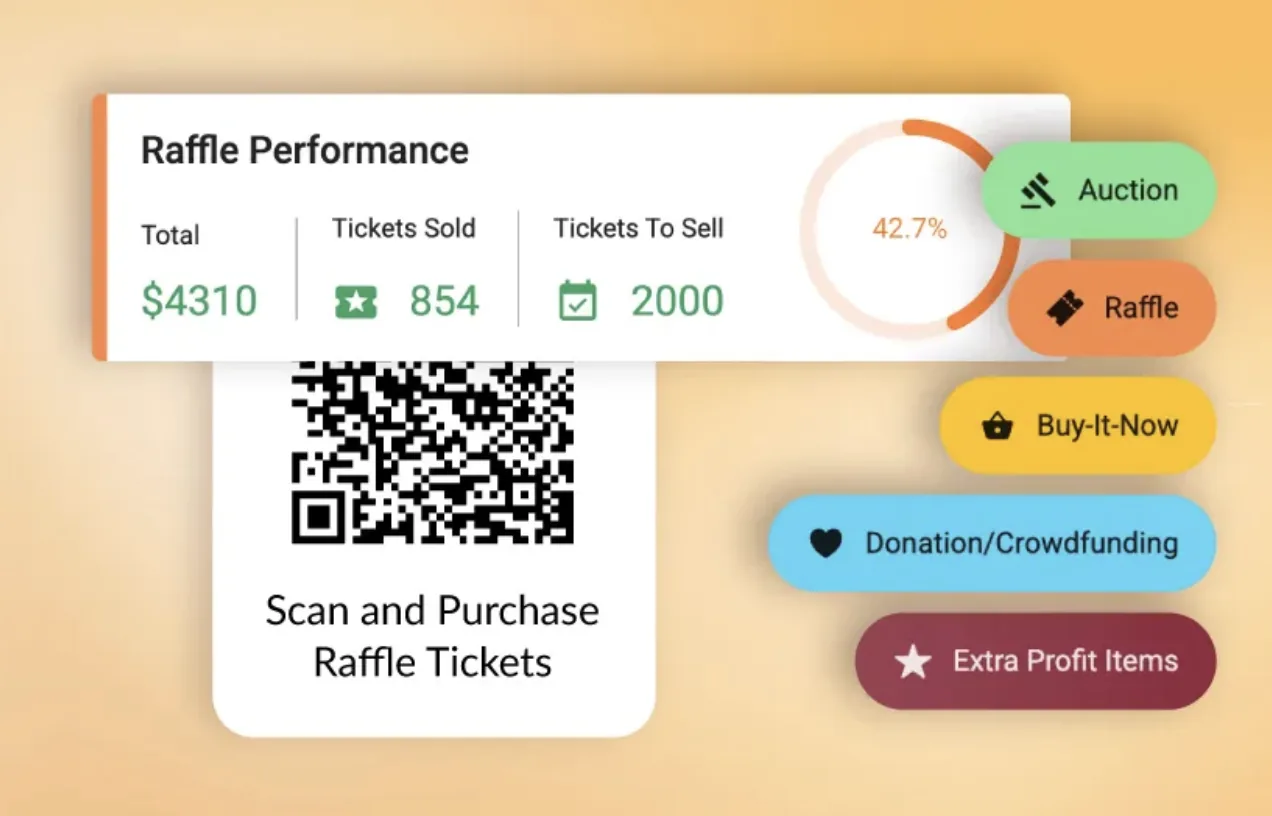
Compliance is mostly about control and records, which is where digital raffles have a structural advantage: every ticket is individually numbered and delivered automatically, the draw uses a certified random number generator, winners are notified and recorded the moment they are drawn, and the Raffle Tickets and Winners report gives you the audit trail regulators expect. You can also cap total tickets, set per-person purchase limits and restrict packages to match your permit conditions.
Set up your raffle free on GalaBid's raffle platform, and run your compliance checklist before you open sales.